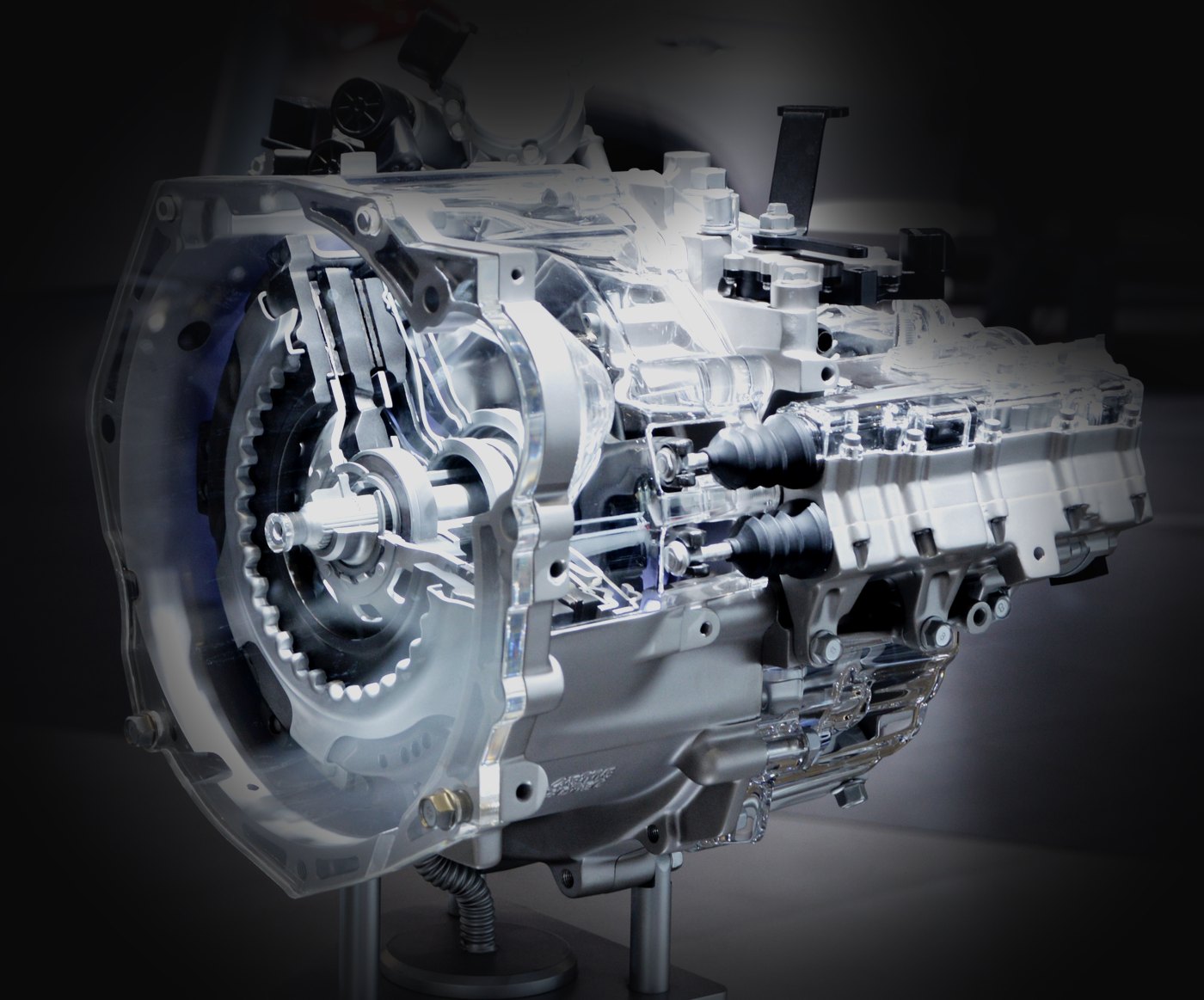
The ECU runs the engine. On an automatic, a dual clutch or an automated manual, a second computer runs the gearbox. That computer is the TCU. When an engine map adds torque and the gearbox still shifts like a stock vehicle, the two stop agreeing.
TCU tuning at RBR sets the gearbox software to match the engine map and the way you drive.
What the TCU controls
Shift points, how quickly the gearbox changes gear, and the torque it will pass through. A TCU remap adjusts those three. In traffic that can mean a calmer pull. When you ask for it, it can mean a quicker change and a gear that stays where the engine is working.
- Shift points: the speed and load where the next gear is chosen
- Shift speed: how long the change itself takes
- Torque limits: how much the gearbox will accept after the engine map
When it belongs with the ECU tune
Bring the gearbox into the job when the vehicle is an automatic or a dual clutch and the engine is being remapped as well. It also helps when the car holds a gear too long, or changes up just as the engine comes on song.
Manual gearboxes are shifted by the driver or rider, so the tune stays on the ECU. Bikes with a manual gearbox are covered in the bike remap note.
What you notice afterwards
What you feel is the shift itself: when it happens, how fast, and whether the torque limit still cuts in after the engine map. We talk through that on the vehicle in front of us, then you drive it and tell us if you want the points moved.
ECU and TCU work is what the workshop does. See the services, or send the vehicle through Start Journey.