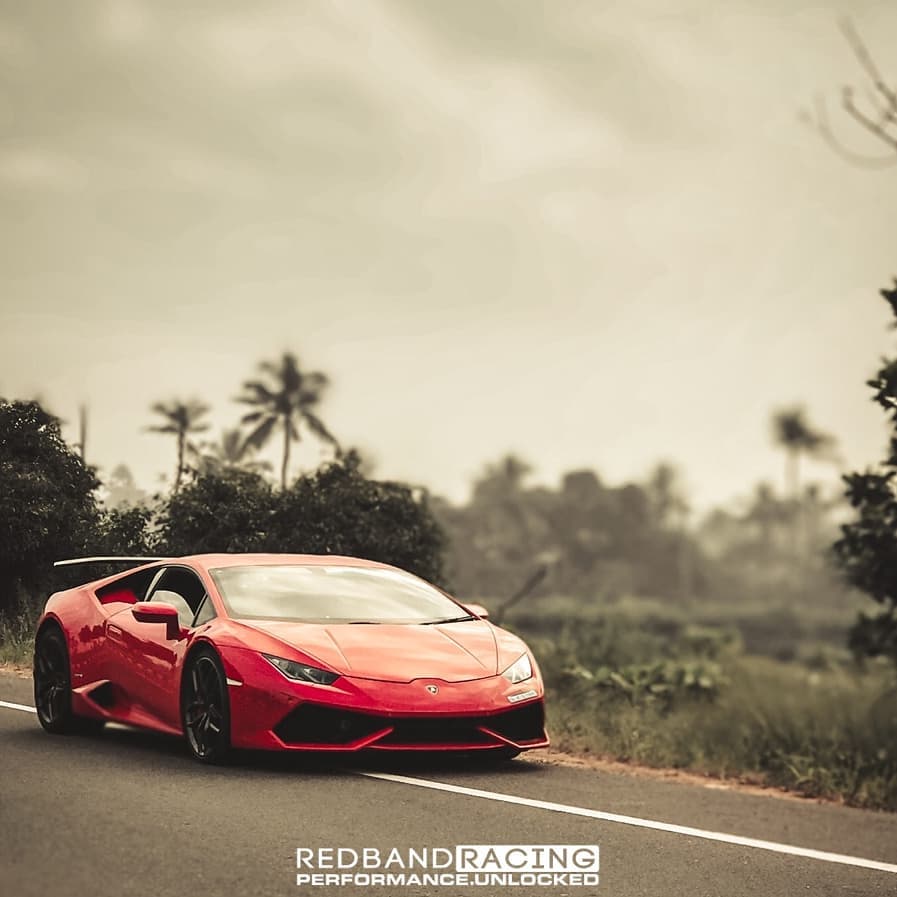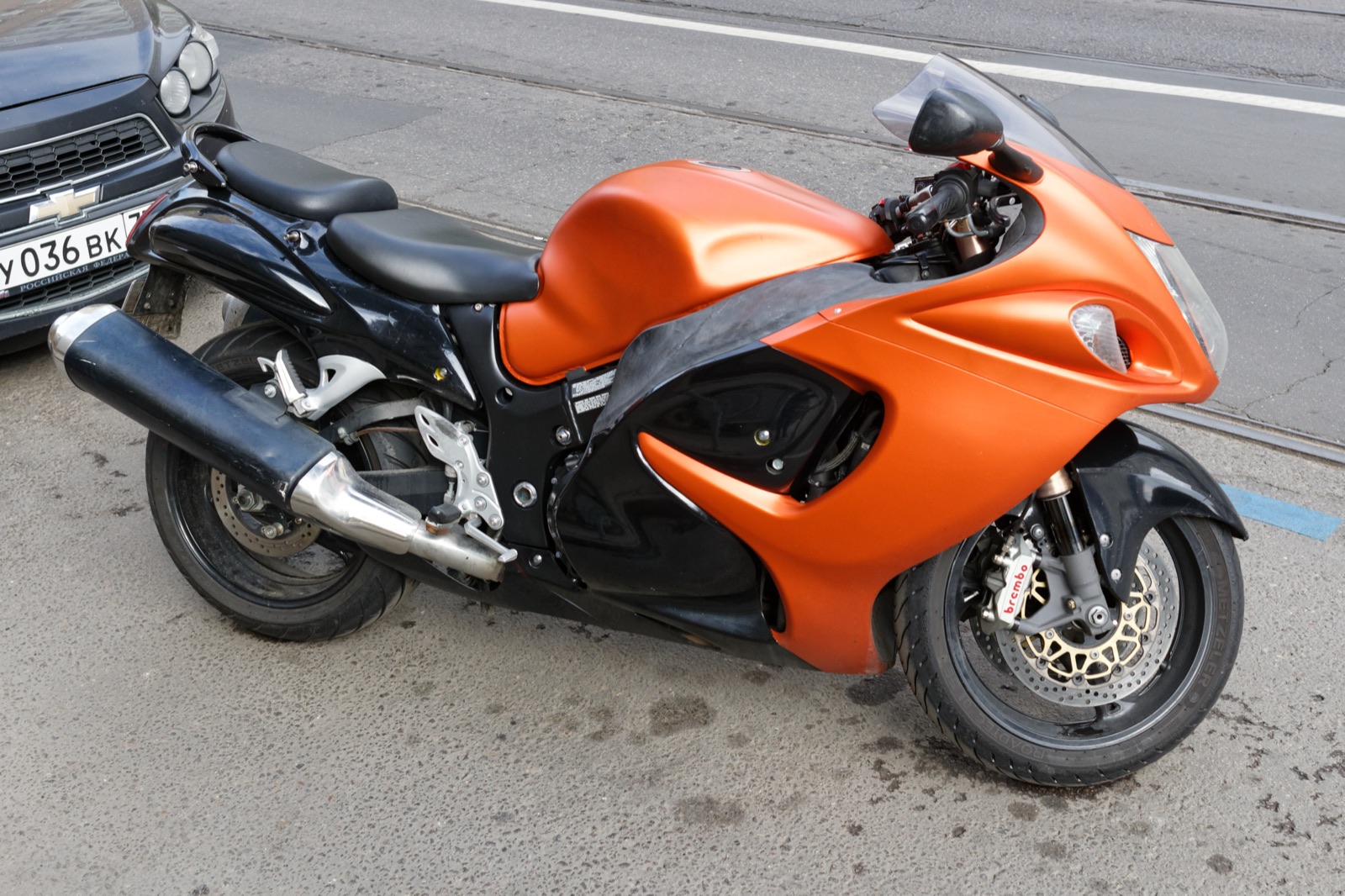
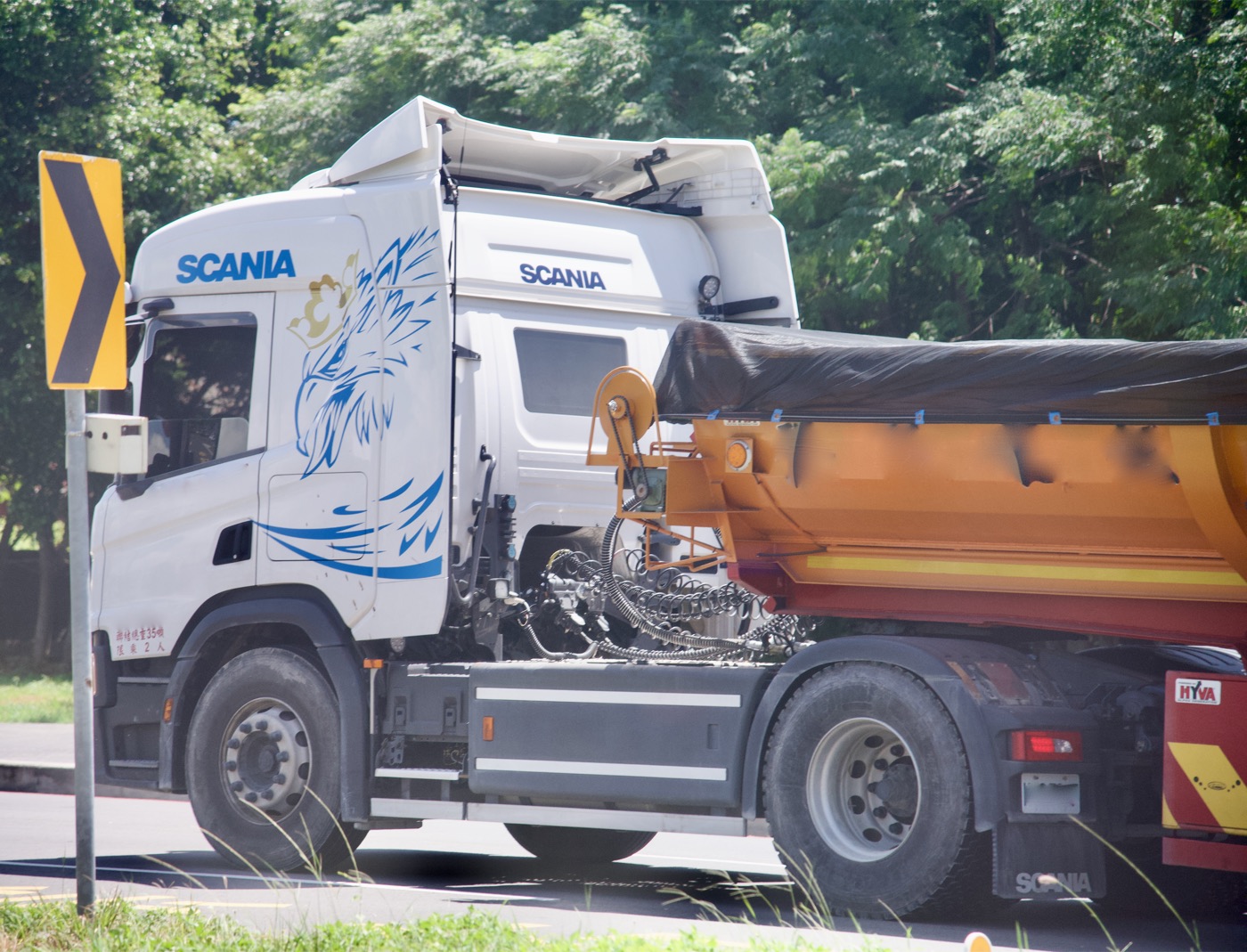
Since 2015, the workshop that maps hatchbacks and supercars has also mapped trucks and buses. The software question is the same. The job the vehicle does is different.
A truck map is about torque where the vehicle pulls a load, and about throttle response when it is heavy. A bus map is about how it pulls away from stops and how it holds a gear on a route. Each file is written for that vehicle.
What we ask first
- The work: what the truck carries, or how many stops the bus makes
- The routes: hills, highway, city traffic, or a mix
- The priority: pull, fuel use, or a balance of the two
A map can lean either way. The useful result is how that vehicle works on its own roads, so we talk about the drive rather than a percentage on a chart.
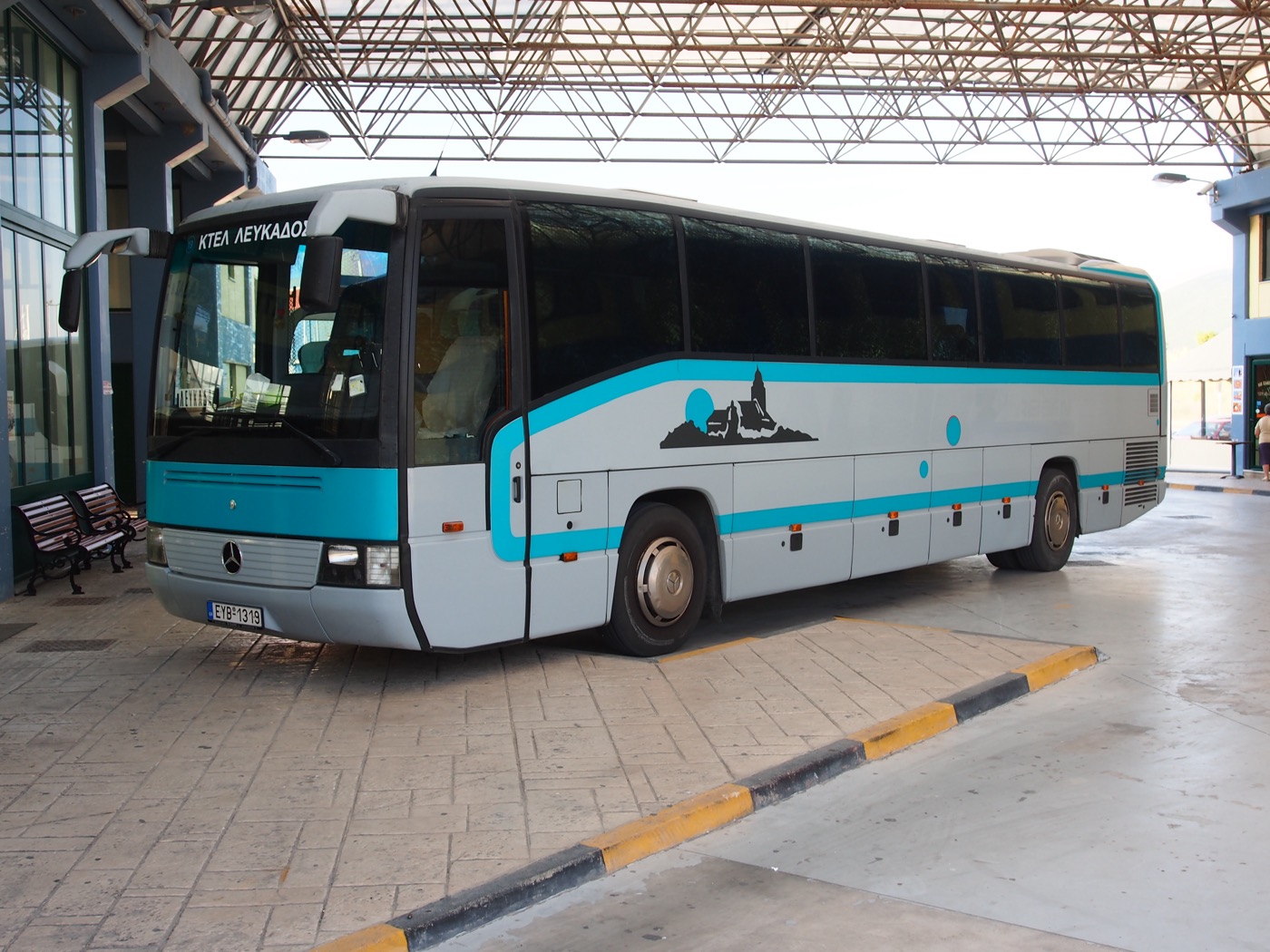
The engine comes first
A weak injector, a clogged filter or a cooling problem should be sorted before a new map. We read the ECU and check for faults, and we will tell you if something needs repair first. The same preparation applies as in getting a vehicle ready for a remap.
Gearboxes and stages
If the truck or bus has an automated gearbox, the TCU can be set to match the new torque. That work is described in what a TCU remap changes. A manual stays with the driver. Hardware on the engine, from a stock setup to a fuller build, follows the same stage idea as a car: the file has to match the parts.
Locations are in Kollam, Kochi, Thrissur, Malappuram, Kannur, Calicut and Mumbai. Send the vehicle through Start Journey, or message the city you want on WhatsApp.